Most reading comprehension curriculums miss a vital piece: stories that reflect every child’s world. When you bring a multicultural reading curriculum into your classroom or homeschool, you spark curiosity and deepen understanding at once. I’ve seen this firsthand while teaching abroad, and I’m excited to share practical ways Teaching and Tapas resources can make this shift easy and rewarding for you and your students. For more insights on the importance of multicultural education, check out this link.
Benefits of Multicultural Reading
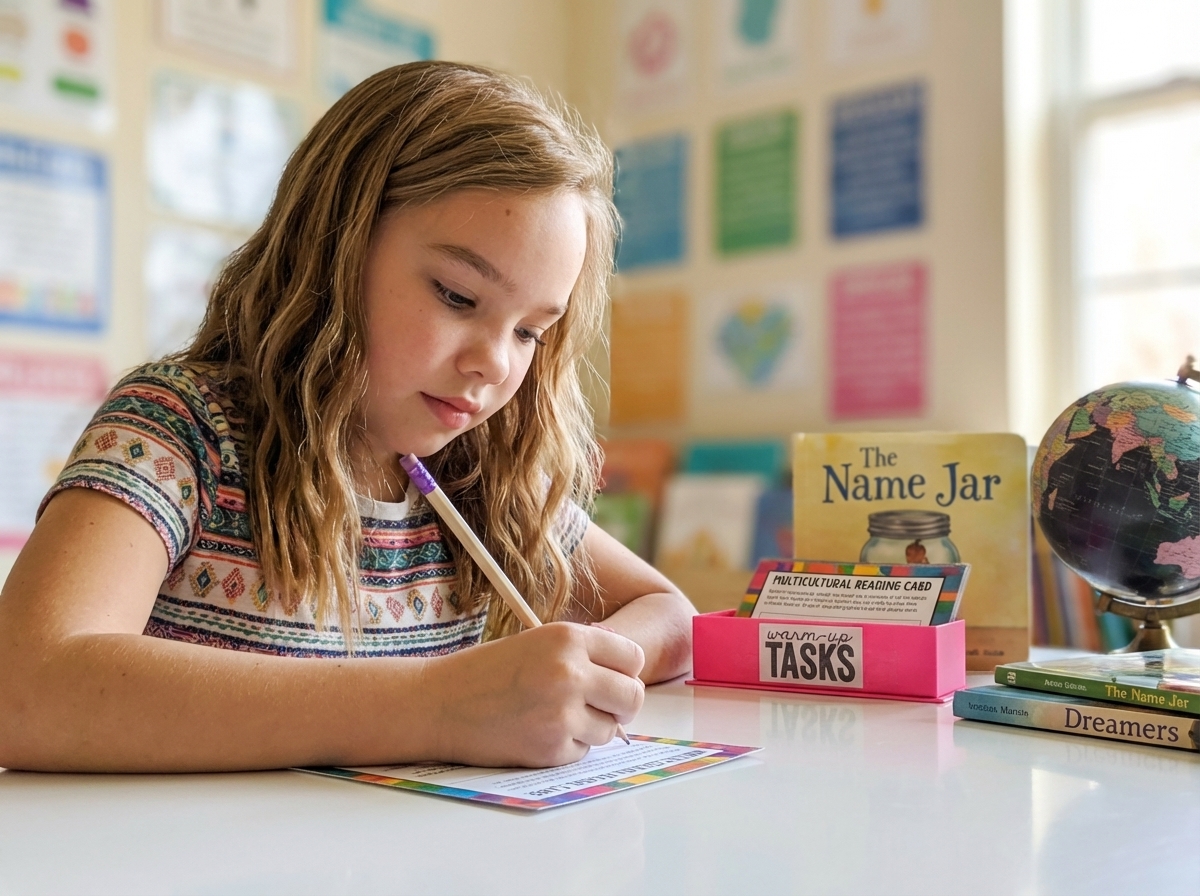
Bringing multicultural books into the classroom opens up a world of benefits. It’s not just about the stories but about the connections these stories help students make. Let’s explore three key benefits.
Boosting Student Engagement
Imagine a classroom where every student is eager to read. That’s the magic of using diverse books for kids. When students see themselves and their peers reflected in what they read, their interest skyrockets. A study highlighted in the International Journal of Education and Psychological Research shows that engagement increases by 20% when students read materials they relate to. Why? Because these stories resonate with their experiences and cultures.
Now, think about the excitement when students encounter characters they recognize. This fosters a love for reading because they no longer view it as a chore; it becomes a personal journey. Just like having a chat with a friend, reading becomes relatable. That’s what culturally responsive teaching is all about.
Enhancing Comprehension Skills
Reading comprehension is more than just understanding words. It’s about grasping meanings, contexts, and emotions. Diverse texts play a crucial role in this. When students read about different cultures, they learn to infer and think critically. This builds their comprehension skills naturally.
Using such texts, you help students connect the dots between their world and others. They begin to ask questions, compare, and analyze. This process strengthens their cognitive abilities and prepares them for complex problem-solving. You’re not just teaching reading; you’re nurturing thinkers.
Social Emotional Learning
Books are not just for knowledge; they teach empathy. Social emotional learning flourishes when students engage with stories featuring diverse characters. Through these narratives, students learn about different emotions, challenges, and solutions.
Consider a tale of a child from another part of the world overcoming adversity. This opens a window into that child’s life, teaching empathy and understanding. Such stories cultivate emotional intelligence, helping students relate better to others. The result? A more compassionate and inclusive classroom environment.
Integrating Diverse Texts
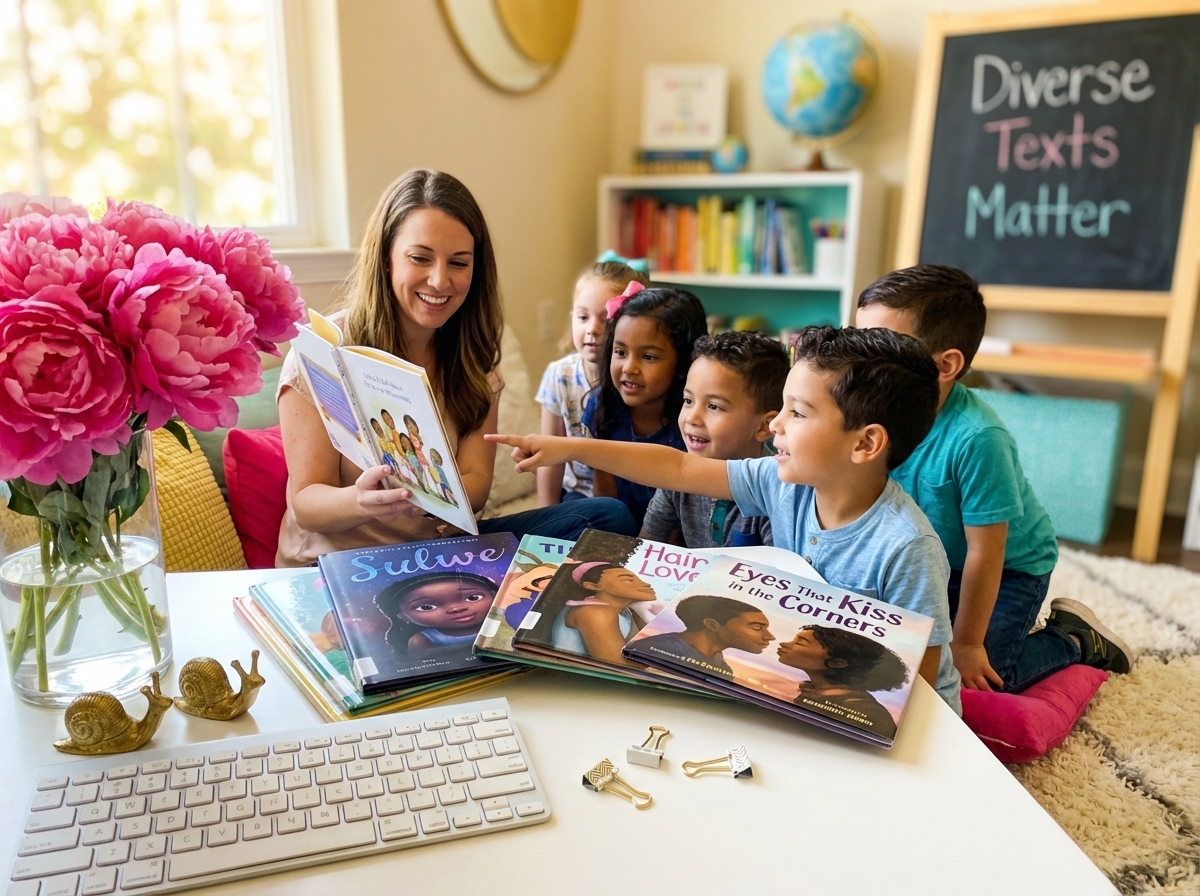
Once you’re convinced of the benefits, the next step is integrating these texts into your curriculum. It’s easier than you might think. Let me share a few practical approaches.
Personal Classroom Anecdote
During my teaching stint abroad, I encountered a diverse student body. One day, I introduced a book from “own voices authors.” The transformation was instant. Students who were usually quiet began to participate, sharing their own stories. This wasn’t just a lesson in reading; it was a lesson in life.
These moments showed me the power of multicultural mentor texts. When students see themselves represented, they feel valued. As a teacher, you’re not just imparting knowledge; you’re validating their experiences. This approach helps build a classroom where every student feels seen and heard.
Using Global Perspectives
Incorporating global perspectives is not just about reading stories from different cultures. It’s about discussions and reflections. When students read about various traditions, they learn to appreciate differences and find common ground. This understanding is crucial in today’s interconnected world.
To bring this to life, you can use resources from sites like Drexel University which offer insights into culturally diverse teaching strategies. Integrating these perspectives prepares students for a global society, fostering a broader understanding of the world around them.
Engaging Interactive Read Alouds
Interactive read alouds are a fantastic way to engage students. They allow for pauses, questions, and discussions, turning reading into an active experience. Choose books that reflect a range of cultures and invite students to share their thoughts.
Ask questions like, “How would you feel in this character’s place?” or “What would you do differently?” Such interactions not only enhance comprehension but also develop critical thinking. Students learn to express their views, listen to others, and build a community of learners.
Resources for Teachers and Parents
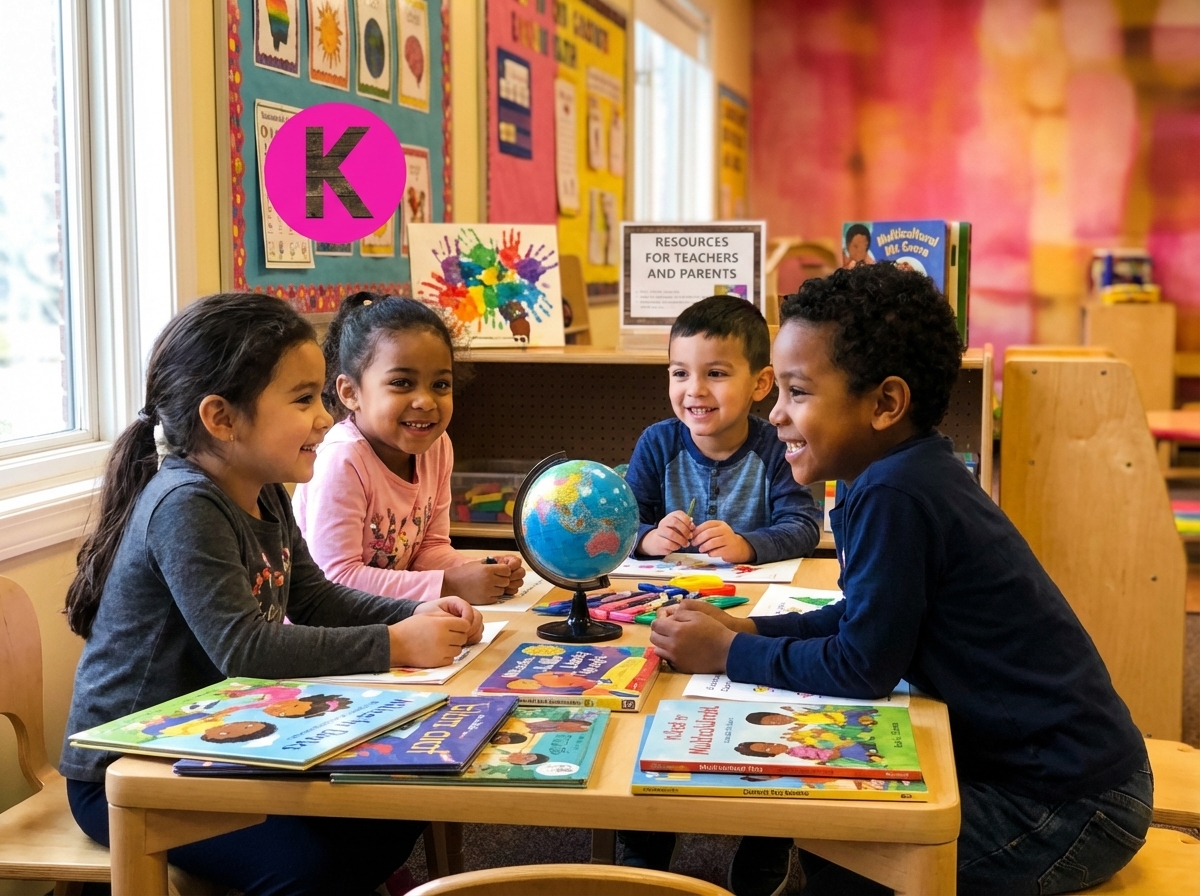
To make the most of multicultural reading, you need the right tools. Fortunately, there are plenty of resources available to help you get started.
Teaching and Tapas Tools
Teaching and Tapas offers a range of resources designed to make your job easier. From reading comprehension curriculum bundles to interactive read aloud guides, these tools are crafted with teachers in mind. They’re perfect for introducing diverse texts into your classroom.
Each resource is ready to use, meaning you can download and implement them immediately. This saves you time and effort, allowing you to focus on what really matters: your students.
Free Multicultural Mentor Texts
Finding the right texts can be challenging, but free multicultural mentor texts can be a great start. These texts provide a variety of perspectives and stories, ensuring every student finds something they connect with. They’re a perfect way to diversify your library without breaking the bank.
Websites like Purdue University offer guidance on selecting culturally appropriate materials. By using these resources, you ensure your students have access to stories that reflect their world and others’.
Building Inclusive Classrooms 🌍📚
Creating an inclusive classroom takes more than just reading diverse books. It involves fostering an environment where every student feels valued. Encourage open discussions, celebrate different cultures, and provide opportunities for students to share their own stories.
By building inclusive classrooms, you prepare students for a diverse world. They learn to respect differences and appreciate the richness that each culture brings. The longer you wait to start, the more engaging opportunities you miss. So, why not begin this rewarding journey today?
